
For me, no visit to Northumberland is complete without a scamper over to Holy Island, also known as Lindisfarne. As our recent collaboration with Experience North East England had brought us to the area, we decided to tag on an extra night, using The Lindisfarne Inn as our base.
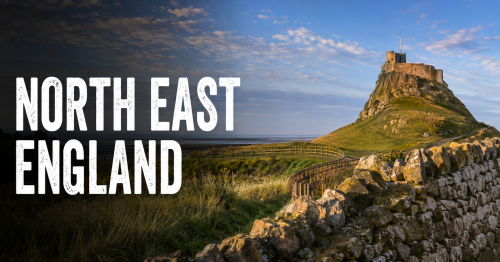
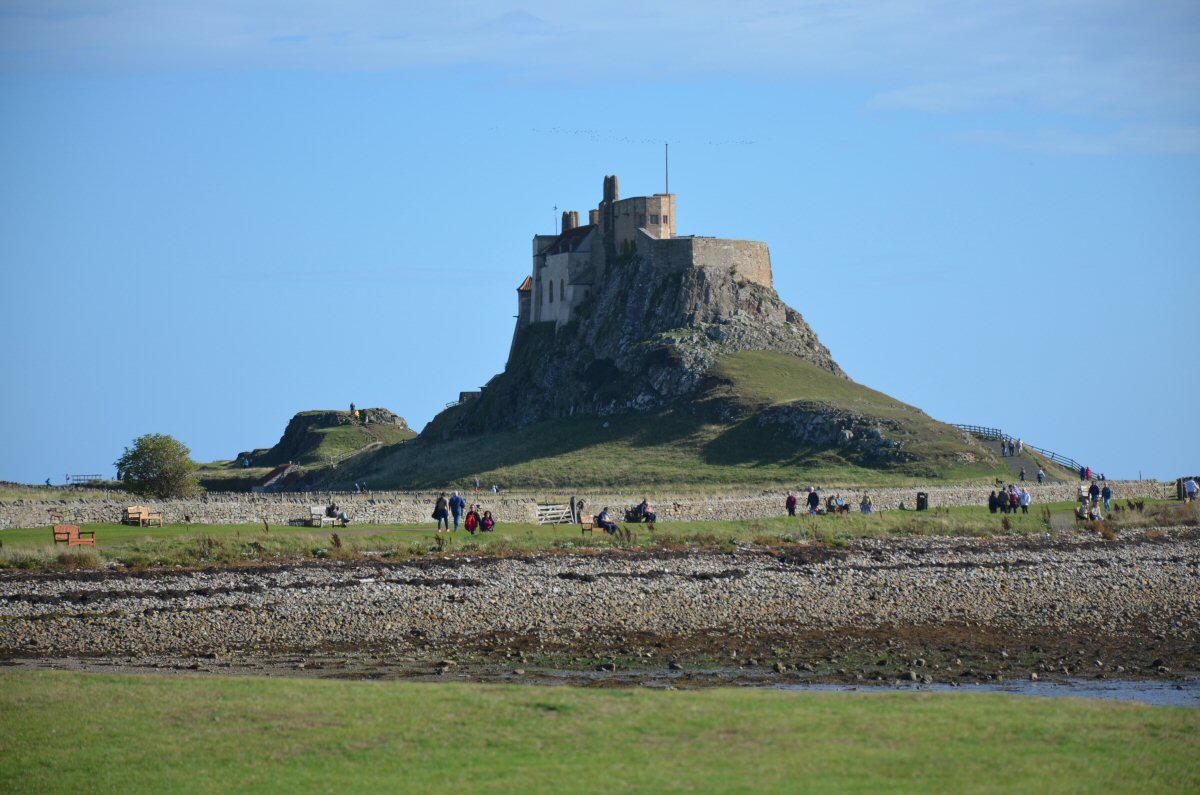
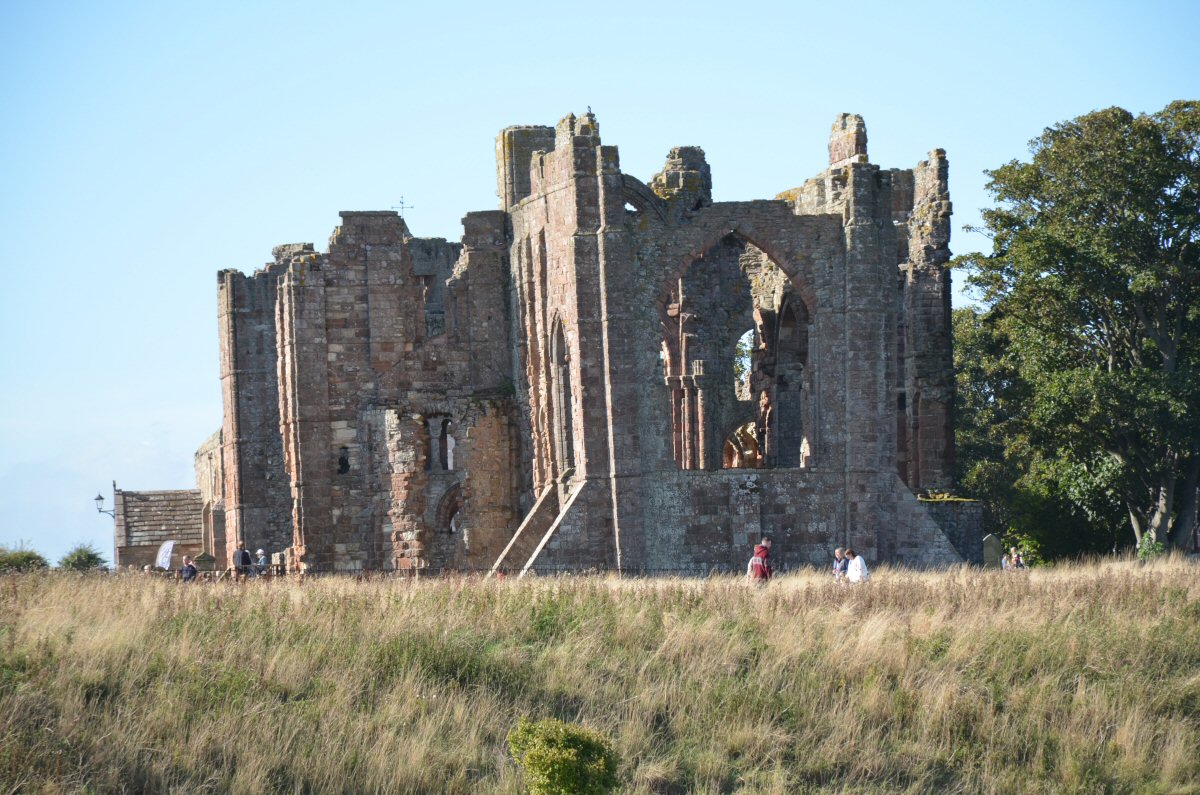
Lindisfarne is a tidal island that is only accessible by a causeway when the tide is out. I cannot stress enough the importance of checking the ‘safe crossing window’ if you plan to visit the island and its world-famous, 12th Century medieval Monastery ruins. As well as the Priory, the English Heritage-run Lindisfarne Castle is more than worth a visit. The Castle (located on a Crag) was originally built in the 16th Century, being later remodelled by Sir Edwin Lutyens in the 20th century. Both sites are stunning and I can’t recommend them enough. There is the wonderful Lindisfarne Centre and Museum, and St. Aidan’s Winery to go and explore, too.
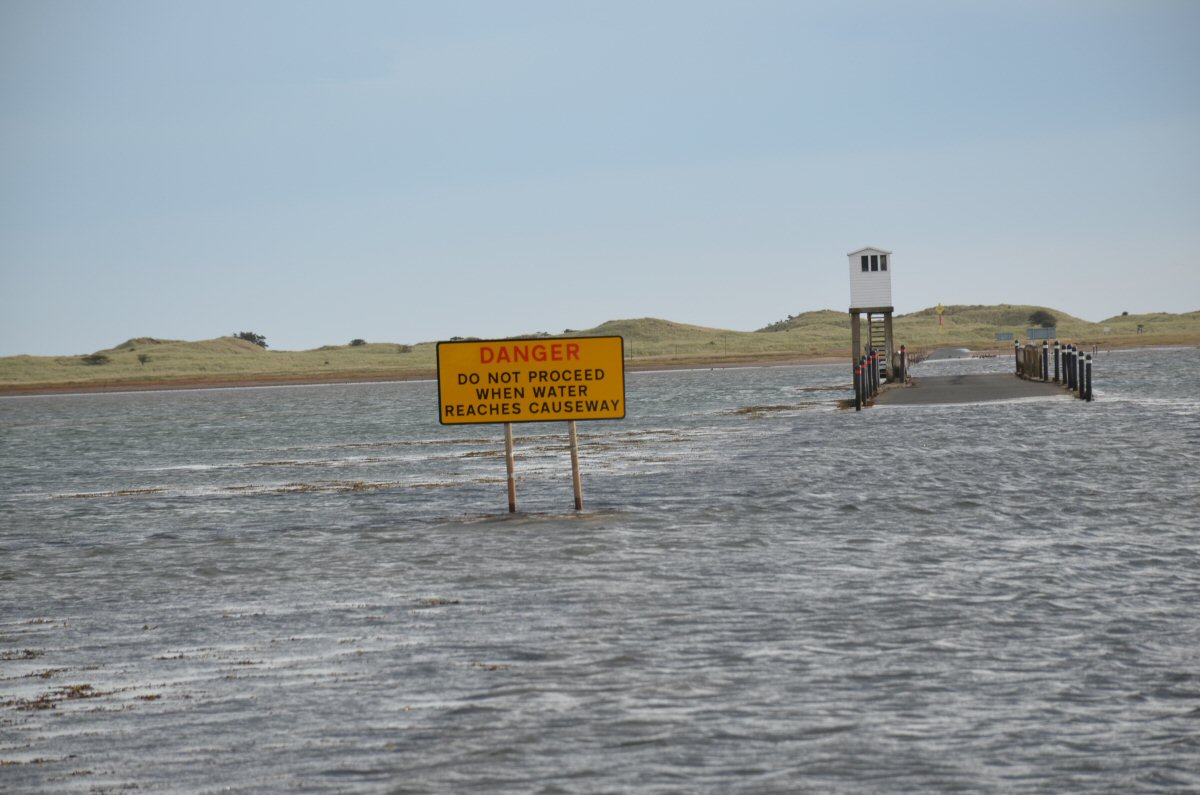
If you don’t want to drive over the tarmac causeway, you can walk its 3-mile length in about 1.5-2 hours BUT, please make sure you leave yourself plenty of time within ‘the safe crossing zone’ to do this! Getting your timing wrong could lead to you having to shin up the laddered refuges (aka idiot boxes) to avoid waters of 4-6 feet deep. Before you think you’re clever; no, you won’t be able to out-run the pace at which the tide comes in. I have witnessed the pace at which it happens, and it is breath-taking in its speed.
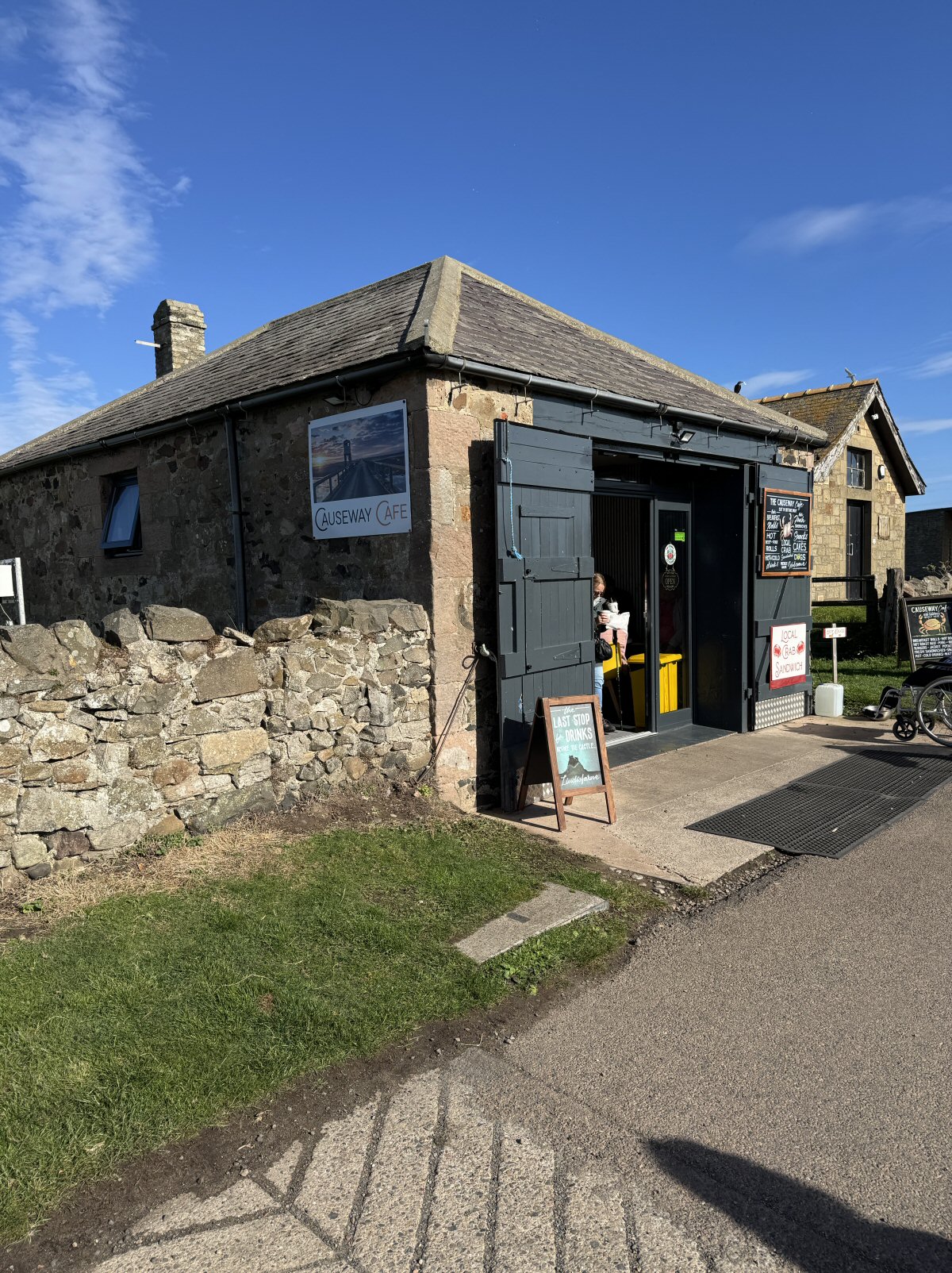
Although we didn’t personally eat there this time, I can thoroughly recommend the food at The Manor Hotel. His Nibs and I, as well as Mummy Bird and Fledge, have eaten there at various times and never had a bad meal, whether hot or cold. You can also stay there, something that is on my ‘bucket list’ to do. Lindisfarne has lots of tea-rooms dotted around, so you will always find a seat to perch on and re-fuel whilst you’re enjoying your visit.
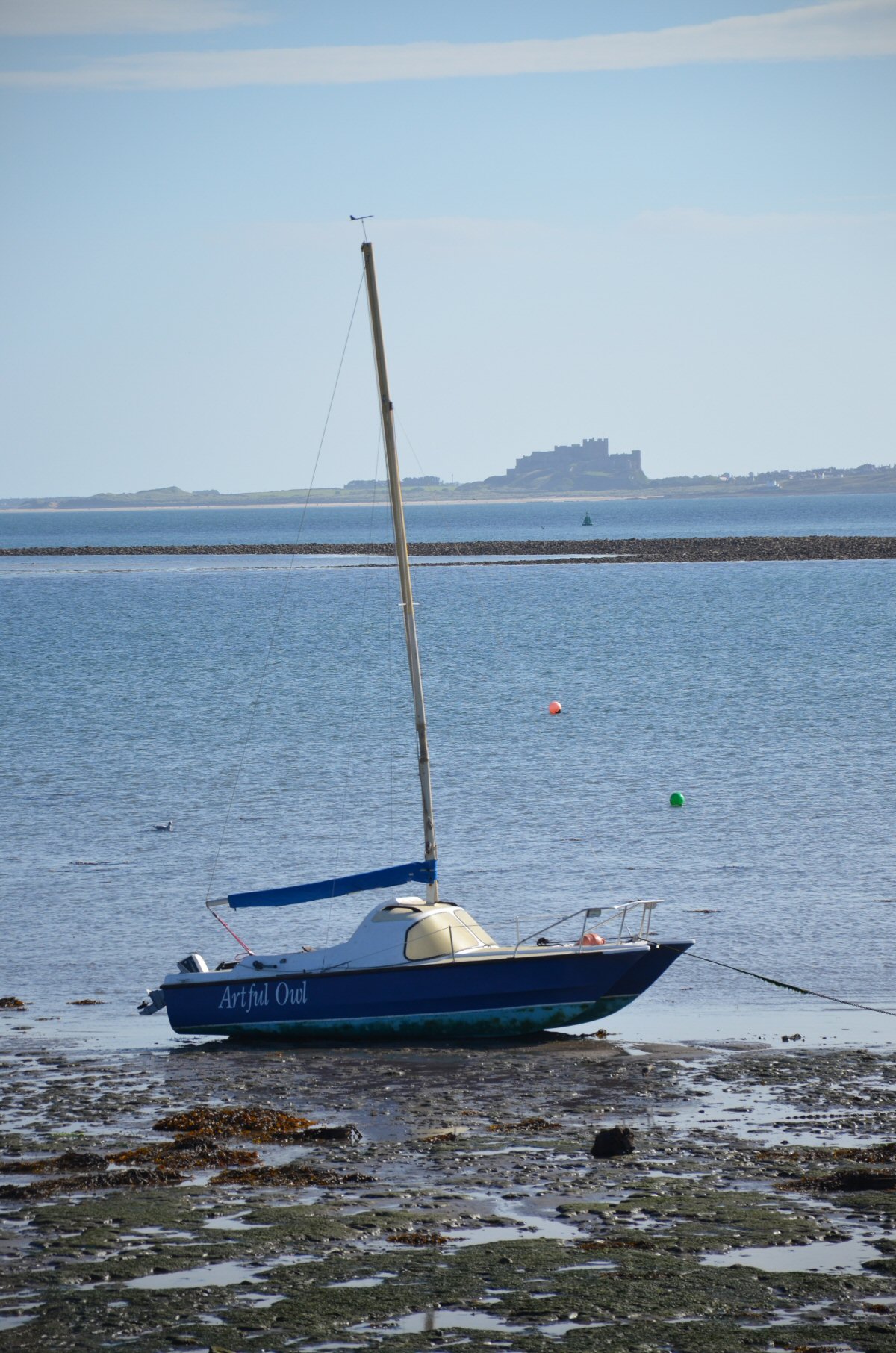
Nature lovers can spend hours bird-watching in Lindisfarne’s Nature Reserve and Harbour and, if you’re lucky, you might spot some Grey Seals near to St. Cuthbert’s Island. Artists flock to Lindisfarne, not only to capture the beauty of the Castle and Priory, but also the harbour and its upturned Keel/Boat Sheds, and the stacked Fishing Pots used to land Lobster, Brown Crab, Velvet Crab and Langoustine.
For those seeking spiritual connection, Lindisfarne has much to offer. In 635 A.D., St. Aidan founded the first wooden Monastery, introducing a period of energetic missionary work and learning. A few years later, in the 670s A.D., St. Cuthbert joined the monastic group, later becoming Prior and Bishop; the spiritual identity of Northern England is his enduring legacy. Around 710-725 A.D., an intricately illuminated manuscript, known as the Lindisfarne Gospels, was created. Attributed to the Monk Eadfrith, this piece of work combined Mediterranean, Celtic, and Anglo-Saxon styles. Its significance has it esteemed as one of early medieval Christian Art’s masterpieces. Given this rich history, Lindisfarne is regarded as the ‘Cradle of Christianity and Anglo-Saxon Art’.
If you’ve never visited this tidal island before, all I can say is “brace yourselves for a fantastic experience” I don’t know what it is, but this place really does have an ‘aura’ to it, and you will adore it. As I mentioned earlier, there are a couple of Hotels and lots of guest houses on Holy Island…just in case you fancy taking your time to explore!